Financial trading has always changed as technology improves. In the past, traders shouted orders on busy trading floors. Later, computers replaced this with electronic systems. Each change affected how markets work and how traders make decisions. Today, the biggest change comes from artificial intelligence, advanced data analysis, and new types of computing. One of the most talked-about developments is Quantum AI, which could change how trading strategies are built, how risks are managed, and how efficiently markets operate.
This article looks at how modern technology is changing trading, with a strong focus on Quantum AI and similar tools. It is written for readers who want a practical understanding of how these technologies are used in trading, without going deep into technical details. The aim is to explain what these tools do, how they are already being used, and why they matter for the future of trading.
The Evolution of Technology in Trading
From Manual Trading to Automated Systems
In the past, trading relied mainly on human judgement, experience, and face-to-face deals. Decisions took longer, information moved slowly, and mistakes were common. This changed when computers became widely used in financial markets.
Electronic trading platforms made it possible to place trades faster, see prices more clearly, and access markets around the world. Automated trading followed soon after. These systems use pre-set rules to buy or sell based on price movements, trading volume, or timing. This shift opened the door to more advanced tools, including artificial intelligence.
The Growth of Data in Trading
Modern trading depends on huge amounts of information. Prices, economic data, company reports, news stories, and online opinions all affect the markets. Processing this much data quickly is difficult using traditional methods.
As a result, smarter systems were needed. Artificial intelligence can spot patterns and connections in data that people might miss. This made AI a natural fit for trading and led to more advanced ideas, including Quantum AI.
Artificial Intelligence in Trading
What AI Does in Financial Markets
Artificial intelligence in trading refers to computer systems that learn from data and adjust as markets change. Over time, they become better at making decisions. These systems can study past price movements, identify trends, measure risk, and even place trades automatically.
AI can also read and analyse written information such as news articles and company announcements to understand market mood and expectations.
Benefits of AI-Based Trading Tools
AI-powered trading tools offer clear advantages:
- Better decisions based on data rather than guesswork
- Faster responses to market changes
- Less influence from emotions such as fear or greed
- Stronger risk control through forecasting and analysis
Because of these benefits, AI is now widely used by professional investors, trading firms, and online trading platforms.
What Is Quantum AI?
A Simple Explanation of Quantum AI
Quantum AI combines artificial intelligence with quantum computing. Traditional computers work using simple on or off signals. Quantum computers use units called qubits, which can exist in more than one state at the same time. This allows them to handle certain calculations much faster.
When used with AI, quantum computing can speed up data processing, improve complex calculations, and tackle problems that are very difficult for standard computers.
Much of the academic and applied research underpinning Quantum AI originates from peer-reviewed engineering and computer science studies. Reputable research libraries such as IEEE Xplore document ongoing advancements in quantum algorithms, optimisation models, and AI architectures that directly influence financial computing and trading system design.
Why Quantum AI Is Important for Trading
Trading is complex and involves many moving parts. Choosing the best mix of investments, testing market scenarios, and managing risk all require heavy calculation. Quantum AI can look at many possible outcomes at once and find better solutions more efficiently.
Although fully developed quantum computers are not yet widely available, financial firms are already testing systems that combine today’s computers with early quantum techniques. This shows how seriously the industry views the future potential of Quantum AI.
Key Applications of Quantum AI in Trading
Market Prediction and Pattern Recognition
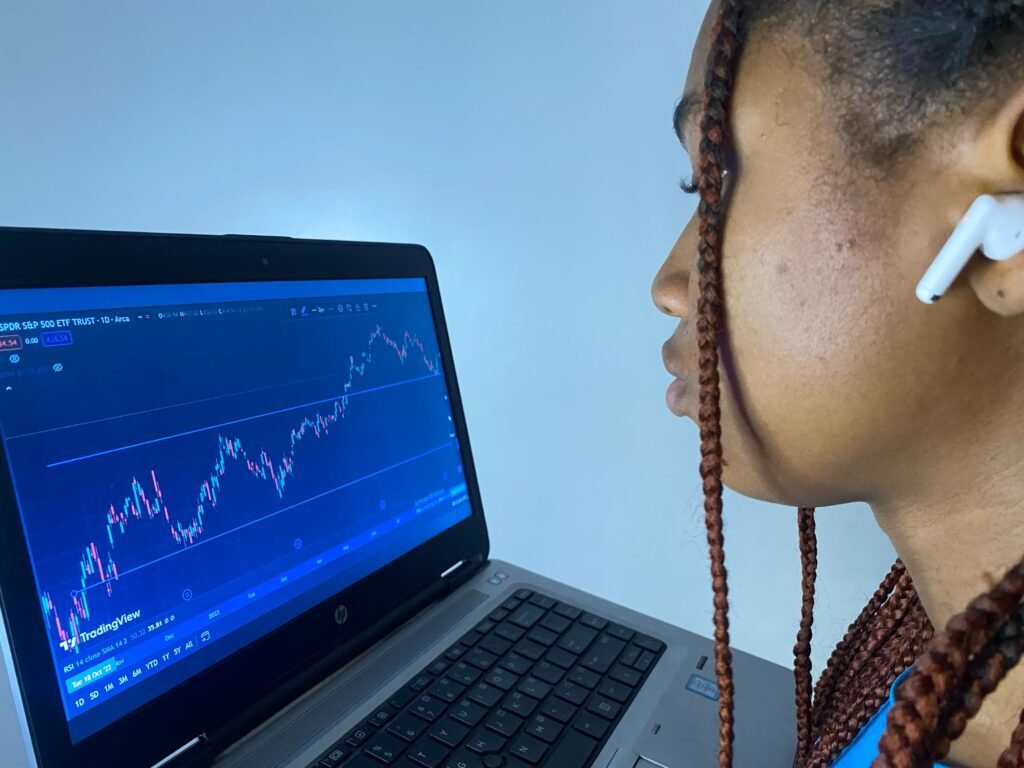
One of the main benefits of Quantum AI is its ability to help predict market movements. Traditional trading models often make basic assumptions about how markets behave, which can cause problems when conditions change suddenly or become unpredictable.
Quantum AI can look at huge amounts of market data all at once. This makes it easier to spot small trends, repeating behaviours, and connections between different markets that would normally be missed.
For traders and investment firms, this means they can:
- Make better guesses about where prices may move next
- Spot early warning signs of market changes
- Understand how different assets influence each other
Over time, these insights help traders make smarter decisions and build strategies that perform more consistently.
Portfolio Optimisation
Managing Many Investments at the Same Time
Portfolio optimisation simply means choosing the right mix of investments to balance potential returns with acceptable risk. When a portfolio contains many assets, deciding how much to invest in each one becomes very complicated.
Quantum AI is particularly useful here because it can compare a huge number of possible investment combinations at the same time. This allows it to find more efficient ways to spread money across different assets, faster than traditional computer methods.
This is especially helpful for large investment firms that manage complex portfolios across many markets.
Practical Benefits for Investors
Using Quantum AI to manage portfolios can lead to:
- Wider and more effective diversification
- Lower risk from investments that move in the same direction
- Better use of available capital
Together, these benefits can result in more stable returns, which is especially important during uncertain or volatile market conditions.
Risk Management and Stress Testing
Looking at “What If” Situations
Managing risk is one of the most important parts of trading. Traders need to know what could go wrong, not just what might go right. Quantum AI helps by testing many different “what if” situations at the same time.
Instead of checking only a few possible market scenarios, these systems can look at thousands. This helps traders see how their investments might react during major events such as a financial crash, a war, or sudden political changes.
By doing this, traders and financial firms get a clearer picture of how strong or fragile their portfolios really are.
Meeting Rules and Regulations
Financial firms are required to prove that they understand their risks and are managing them properly. Better risk models make this easier.
Quantum AI can produce clearer data and stronger reports, which helps firms show regulators that they are acting responsibly. This improves transparency and builds trust with both regulators and investors.
High-Frequency and Algorithmic Trading
Faster Decisions, Better Timing
Some trading strategies rely on speed. High-frequency trading involves making a huge number of trades in a very short time, often in fractions of a second. In this environment, even a tiny improvement in speed or accuracy can make a big difference.
Quantum AI could help improve these automated trading systems by choosing faster and more efficient decision paths. Although this technology is still being tested, early studies suggest it could offer strong benefits in the future.
Fairness and Market Stability
As trading systems become faster and more independent, concerns naturally arise. Questions about fairness, transparency, and market stability become more important.
To avoid problems, the use of Quantum AI must be carefully controlled. Clear rules, strong oversight, and responsible management are essential to ensure markets remain fair and stable.
Working Alongside Other Technologies
Big Data and Cloud Systems
Quantum AI does not work on its own. It relies on other modern technologies to be effective.
Cloud computing provides the computing power and flexibility needed to run complex analysis. Big data systems ensure that trading models always have access to large amounts of up-to-date information.
Together, these technologies help create trading systems that are flexible, reliable, and able to respond quickly to changing market conditions.
Blockchain and Smart Contracts
Blockchain technology adds another useful layer. It allows transactions to be recorded securely and transparently, often with faster settlement times.
When blockchain is combined with AI-driven decision-making, including Quantum AI, trading processes can become more efficient, more secure, and easier to trust.
Challenges and Limitations
Technology Is Still Developing
Quantum AI shows great promise, but it is not yet easy to use on a large scale. Quantum computers are expensive, complex, and still improving. Technical issues such as errors and hardware limits slow down adoption.
Because of this, many current systems use a mix of traditional computing and quantum-inspired methods rather than full quantum hardware.
Shortage of Skilled Experts
Using Quantum AI effectively requires specialised knowledge. Traders, financial analysts, data scientists, and quantum experts must work closely together.
This skills gap is one of the main barriers to wider use. Training and collaboration will be key to making Quantum AI practical for more organisations.
How It Is Being Used Today
Large Investment Firms
Major investment firms and hedge funds are leading the way. They invest heavily in early-stage Quantum AI research to gain an edge over competitors.
Even small improvements in predicting markets or managing risk can lead to very large financial gains at this level.
Retail Trading Platforms
For everyday traders, Quantum AI is not yet directly available. However, its influence is starting to appear indirectly.
Many retail platforms now offer AI-based tools inspired by advanced research. Over time, features influenced by Quantum AI are likely to become more common and easier to access.
What the Future Looks Like
Slow but Meaningful Progress
Quantum AI will not change trading overnight. Progress will be gradual as technology improves and costs come down.
In the short term, quantum-inspired models will continue to strengthen traditional AI systems. Over time, more powerful and practical applications will emerge.
Long-Term Importance
In the long run, Quantum AI could change how markets are analysed and understood. Financial markets are complex, and this technology is designed to handle complexity at scale.
For traders and institutions willing to invest early, Quantum AI offers a strong long-term advantage.
Final Thoughts
Technology is changing trading faster than ever before, and Quantum AI is one of the most promising developments. By combining artificial intelligence with advanced computing ideas, it opens new ways to predict markets, manage risk, and build stronger trading strategies.
Although challenges remain, real-world progress is already happening. Traders and investors who stay informed and adapt to these changes will be better prepared for the future of financial markets.