Ewe eje is the Yoruba name for Justicia carnea, a plant commonly found in Nigeria and other tropical regions. People also call it “blood leaf” because traditional practices associate the plant with blood-related health.
Nigerians use ewe eje in traditional medicine and as a leafy vegetable. Many communities include the plant in local health practices and meals because of its cultural importance.
The plant forms part of traditional herbal knowledge, but it does not replace medical diagnosis or treatment. People should receive proper healthcare from qualified medical professionals when they have health concerns.
What Is Ewe Eje?
Known in Yoruba as ewe eje, Justicia carnea is a tropical plant from the Acanthaceae family. The plant grows in warm regions, including Nigeria, and has green leaves and flowers.
Botanists identify this plant with the scientific name Justicia carnea. Many people also call it blood leaf because the Yoruba name “ewe eje” translates to “blood leaf.”
The name comes from two Yoruba words. “Ewe” means leaf, while “eje” means blood. When combined, these words describe the plant as a blood leaf.
Across Nigeria, the Justicia carnea leaf remains a familiar part of local plant knowledge. The name helps people recognise Justicia carnea and distinguish it from other plants.
Ewe Eje in English: Meaning and Common Names
Ewe eje in English means “blood leaf.” In Yoruba, “ewe” means leaf, while “eje” means blood. Together, the two words describe the plant as a blood leaf.
When people ask, “what is ewe eje called in English?” the common answer is blood leaf. This name refers to Justicia carnea, a flowering shrub known by this local name in Nigeria.
Ewe eje is a local Yoruba name, while Justicia carnea is the botanical name used by scientists. Local names come from language and culture, but botanical names provide a standard way to identify plants around the world.
Ewe Eje Health Benefits and Traditional Uses
Justicia carnea is a popular plant in Nigerian traditional practices and local diets. The plant has strong cultural importance and a long history of use in Nigerian communities.
Traditional Blood-Supporting Uses of Ewe Eje
Many Nigerians traditionally use the plant for blood-related purposes. Families and herbal practitioners often include the plant in local practices because they associate it with supporting healthy blood.
The use of the plant has remained popular in many communities because people pass this knowledge from one generation to another. These traditional practices form part of Nigeria’s herbal culture.
However, traditional belief is different from medically confirmed treatment. The use of the leaf in local practices does not mean it can cure anaemia or replace iron supplements, medical care, or advice from healthcare professionals.
Nutritional Value and Plant Compounds in Ewe Eje
The leaf contains natural plant compounds that researchers have studied. These compounds include bioactive substances that occur in many plants and contribute to their natural properties.
Research on Justicia carnea has also examined its antioxidant activity. Antioxidants are plant compounds that researchers study because of their role in protecting cells from damage.
Finding nutrients or plant compounds in the blood leaf does not automatically prove that the plant can treat health conditions. Scientific research continues to examine how these compounds work and how they affect human health.
Ewe Eje as a Nigerian Leaf Vegetable
In some Nigerian communities, people use it in vegetable soups and meals. The plant serves as part of local food traditions and appears in cooking practices beyond herbal use.
Using the plant as food is different from using it in traditional herbal practices. Food use focuses on including the leaf in meals, while medicinal use involves traditional beliefs about the plant’s effects.
How to Prepare Ewe Eje
People prepare the plant in different ways as part of local food and traditional practices. The leaves are used in meals and simple plant preparations.
Common Traditional Preparation Methods
Fresh Justicia carnea leaves are washed before use to remove dirt and unwanted materials. People boil the leaves in water to make an infusion or add them to soups and meals as a vegetable.
Preparation styles depend on cooking traditions and personal preferences. Many people use the blood leaf as part of everyday meals, while others include it in traditional plant preparations.
Ewe Eje With Milk: What People Should Know
Justicia carnea with milk is a common combination in some traditional practices. People combine the two because they prefer the taste and use the mixture as part of their food routine.
Milk adds its own nutrients to the mixture, but it does not change the natural properties of the leaf. A balanced diet remains important because the body needs a variety of foods for proper nutrition.
Justicia carnea with milk is a food combination and should not replace medical care or professional health advice.
Ewe Eje Side Effects and Safety Information
People should understand the possible side effects of the Yoruba-named plant before using it. Like other herbal products, this traditional plant may affect people differently.
Possible Allergic Reactions
Some people may have an allergic reaction when they use the Nigerian leafy plant. This may cause skin irritation, itching, or other uncomfortable signs.
Anyone who notices a reaction after using this traditional plant should stop using it and seek medical advice.
Risks of Excessive Herbal Consumption
Using too much of the blood leaf may cause unwanted effects. People should avoid taking large amounts of herbal products without proper guidance.
Use With Medicines and Health Conditions
People who use medicines should take care when using the leaf. Some herbal products may affect the way certain medicines work.
Anyone with a medical condition should speak with a healthcare professional before using this traditional plant. This helps them make safer choices about herbal products.
Is Ewe Eje Safe During Pregnancy?
People have limited information about the use of this traditional plant for pregnant people. Pregnant people should take care when using concentrated herbal preparations during pregnancy.
A pregnant woman should speak with a healthcare professional before using concentrated forms of the leaf. A qualified professional can provide advice based on her health needs.
Ewe Eje Leaf Picture and Identification
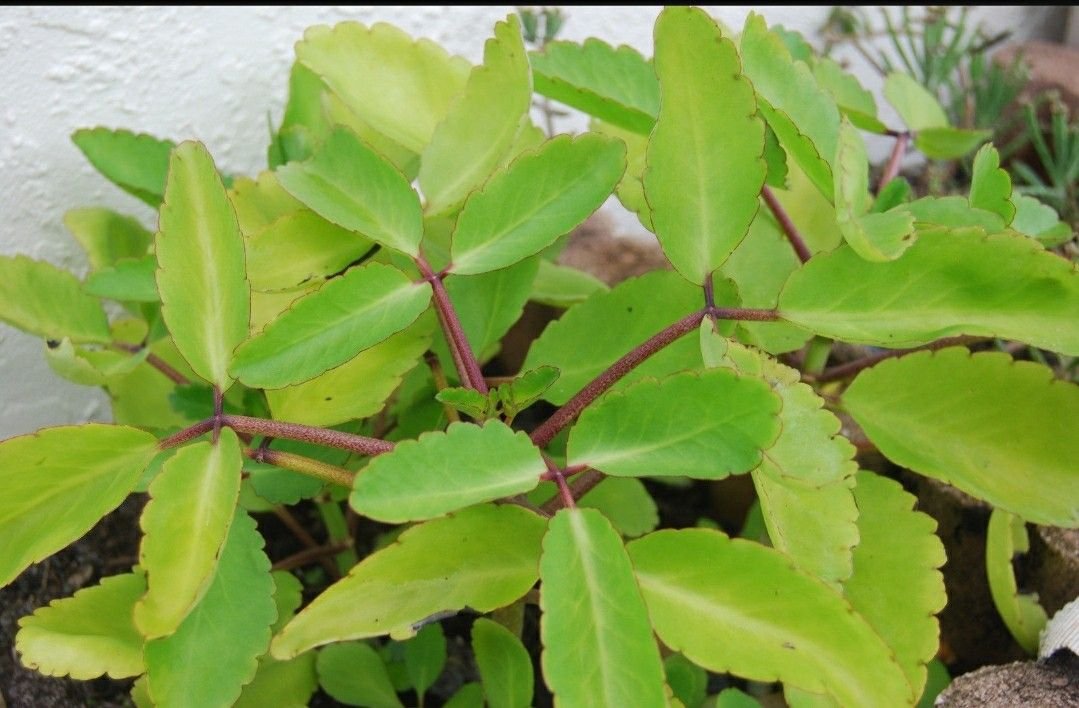
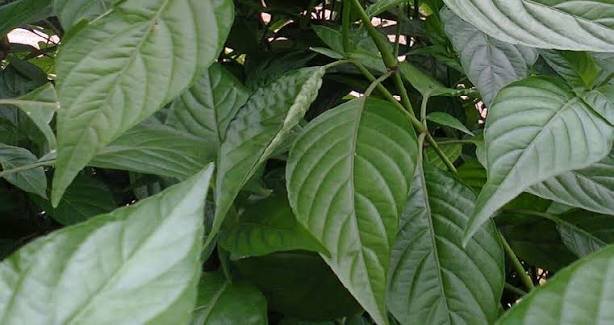
A picture of ewe eje helps people recognise the plant. The leaf has a wide shape, green colour, and smooth surface. The leaves grow from the branches and give the plant a leafy look.
Justicia carnea grows as a small shrub with several stems. The plant produces flowers that grow in groups and show pink, purple, or reddish colours.
Fresh ewe eje leaves have a green appearance. During preparation, heat and water can change the colour and texture of the leaves.
Original photographs from Nigeria show the natural look of the plant.
Frequently Asked Questions
What is ewe eje called in English?
Ewe eje means “blood leaf” in Yoruba. It refers to Justicia carnea, the plant known by this local name in Nigeria.
What are the benefits of ewe eje?
Justicia carnea is traditionally used in Nigeria as a blood-supporting herb and as a vegetable. The plant contains natural compounds that researchers study for their properties.
How do you prepare ewe eje?
People prepare Justicia carnea by washing and boiling the leaves to make an infusion. Others add the leaves to soups and meals as a vegetable.
Does ewe eje increase blood?
Justicia carnea has a traditional connection with blood-related uses in Nigeria. Anaemia and other blood conditions require medical tests and proper treatment from healthcare professionals.
Can ewe eje be taken with milk?
Some people combine Justicia carnea with milk as part of traditional food practices. Milk adds its own nutrients, but the combination does not replace a balanced diet or medical care.
Conclusion
Ewe eje remains an important plant in Nigerian culture. Many communities recognise it as part of local plant knowledge, traditional practices, and food customs.
For many years, people have used Justicia carnea in traditional ways and included it in their everyday practices. Its popularity comes from the connection between the plant, local traditions, and community knowledge.
Responsible use of this traditional plant means respecting its cultural value while making informed health decisions. Evidence-based healthcare remains important for proper diagnosis, treatment, and management of health conditions.