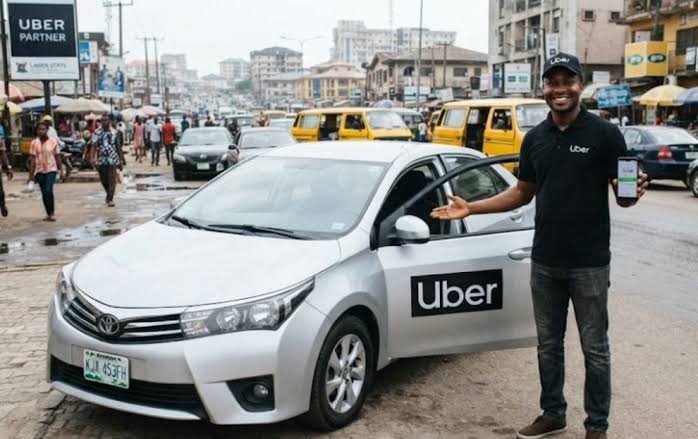
Uber’s exit from Nigeria has left thousands of drivers without access to the app, allowing Bolt, inDrive and LagRide to attract people who previously depended on the service.
Uber ended its Nigerian operations on September 2, 2026, after 12 years in the country. The company said the decision followed a review of its business priorities and investment focus across Africa. It did not state how many drivers or riders were affected by the withdrawal.
“After a thorough review, we have taken the difficult decision to wind down operations in Nigeria and Uganda, effective September 2, 2026,” Uber said.
The company also told drivers that they would no longer receive trip requests through the Uber app from the closure date. Its Help Centre will remain available until September 23 for final account enquiries.
Attention has now shifted to whether rival operators can take on the drivers who have lost access to Uber.
Bolt has reaffirmed its commitment to Nigeria, while LagRide has announced an expansion of its fleet.
“Nigeria remains an important market for Bolt, and we remain firmly committed to the country,” said Teddy Appa-Dankyi, Senior General Manager, Bolt West Africa. He said the company would continue serving riders while strengthening its operations and creating more opportunities across the country.
LagRide has also added vehicles and captains. Ifeanyi Abraham, the company’s Public Relations Director, said the operator had launched 400 new vehicles and captains.
“We just launched 400 new vehicles and captains into the market and we expect significant growth in demand in the final quarter of the year, particularly as mobility demand increases during the ember and festive periods,” Abraham said.
The potential switch by drivers comes after months of complaints about earnings, commissions and operating costs. In March, Lagos drivers under the Amalgamated Union of App-Based Transporters of Nigeria raised concerns about fares, platform deductions, fuel costs and working conditions.
Drivers had also considered building local ride-hailing services as an alternative to existing operators. A March 2026 report said some drivers were considering home-grown apps to gain greater control over fares, commissions and operating policies.
For those seeking an immediate alternative, inDrive has already attracted some drivers.
One Uber driver, Tobi Ladipo, said the economics of driving had pushed some operators towards inDrive in search of better returns.
“Poor economics of operating petrol-powered vehicles had already pushed many Uber drivers to rival platforms, particularly inDrive, in search of better returns,” Ladipo said. He added that inDrive’s tariffs were not “fantastic” for petrol-powered drivers but remained relatively more attractive than some competing services.
The key question is now how many affected drivers are joining competing apps.